
Where We Work
WHERE WE WORK
FORWARD is currently working in the southern districts of Rayagada, Gajapati , mayurbhanj and costal district of Jagatsinghpur, however it may expand its coverage area in Odisha on its priority
- The districts of Rayagada, Jagatsinghpur, Khurda, and Mayurbhanj in Odisha exhibit diverse socio-economic landscapes, yet share common challenges related to food insecurity, malnutrition, and poverty. Efforts to address these issues must be multifaceted, focusing on improving agricultural practices, enhancing educational infrastructure, promoting gender equality, and implementing climate-resilient strategies. Collaboration between government agencies, NGOs, and local communities is essential to create sustainable solutions that uplift these districts and ensure a healthier, more prosperous future for their populations.
- Jagatsinghpur District Population: 1,136,971 (2011 Census) Population Density: 682 persons/km² Sex Ratio: 968 females per 1,000 males Literacy Rate: 86.59% Scheduled Castes (SC): 248,152 (21.8%) Scheduled Tribes (ST): 7,862 (0.7%) Urban Population: 10.20% Rural Population: 89.80% Jagatsinghpur boasts a higher literacy rate compared to the state average. The district's economy is primarily agrarian, with a focus on rice, coconut, and betel vine cultivation. The proximity to Paradip Port enhances trade and connectivity, contributing to economic growth WikipediaFood Insecurity & Malnutrition While Jagatsinghpur has a relatively higher literacy rate, food insecurity and malnutrition persist, particularly among marginalized communities. Inadequate access to nutritious food and healthcare services contributes to these challenges. Dropout Rates & Education Educational infrastructure in Jagatsinghpur is more developed compared to other districts. However, dropout rates remain a concern, influenced by socio-economic factors and the need for child labor in agricultural activities. Child Marriage Child marriage is less prevalent in Jagatsinghpur compared to more rural districts, but it still occurs, particularly in economically disadvantaged areas. Efforts are ongoing to raise awareness and enforce legal frameworks against this practice. Climate Change Effects Jagatsinghpur's coastal location makes it susceptible to climate change impacts such as sea-level rise and cyclones. These environmental changes threaten agriculture, fisheries, and overall food security. Agricultural Production The district benefits from fertile soil and irrigation infrastructure, supporting the cultivation of rice, coconut, and betel vine. However, climate-related events pose risks to consistent agricultural output. Poverty & Hunger Poverty in Jagatsinghpur is concentrated in rural areas, where dependence on agriculture and limited access to markets contribute to food insecurity and hunger.
- Rayagada District Population: 967,911 (2011 Census) Population Density: 137 persons/km² Sex Ratio: 1,051 females per 1,000 males Child Sex Ratio: 965 females per 1,000 males Literacy Rate: 49.76% Scheduled Castes (SC): 139,514 (14.4%) Scheduled Tribes (ST): 541,905 (56.0%) Urban Population: 15.18% Rural Population: 84.82% Rayagada has a significant tribal population, contributing to its rich cultural heritage. The district's literacy rate is relatively low, indicating a need for enhanced educational initiatives. Efforts are being made to improve infrastructure and access to basic services. Nabakrushna CeFood Insecurity & Malnutrition Rayagada faces significant challenges related to food insecurity and malnutrition. The district's tribal population, primarily the Khonds and Soras, heavily depends on agriculture and forest resources for sustenance. However, limited access to nutritious food and healthcare services exacerbates malnutrition rates. Government schemes aim to combat this crisis. Deccan Chronicle Dropout Rates & Education Educational attainment in Rayagada is hindered by factors such as poverty, cultural practices, and inadequate infrastructure. These challenges contribute to higher dropout rates, particularly among girls, limiting future opportunities. Child Marriage Child marriage remains prevalent in Rayagada, influenced by traditional norms and economic factors. This practice adversely affects girls' education and health, perpetuating cycles of poverty and gender inequality. Climate Change Effects Rayagada's agriculture is vulnerable to climate change, with erratic rainfall patterns and droughts affecting crop yields. These climatic shifts threaten food security and livelihoods, particularly for the tribal communities reliant on subsistence farming. Agricultural Production The district's agriculture is primarily rain-fed, with paddy, maize, and pulses being staple crops. However, inconsistent rainfall and outdated farming practices hinder optimal production levels. Poverty & Hunger High poverty rates in Rayagada are closely linked to food insecurity and hunger. Limited access to resources and markets exacerbates these issues, leaving many households vulnerable to malnutrition and food shortages.
- Khurda District Population: 2,251,673 (2011 Census) Population Density: 800 persons/km² Sex Ratio: 929 females per 1,000 males Literacy Rate: 86.88% Scheduled Castes (SC): Not specified Scheduled Tribes (ST): Not specified Urban Population: 48.16% Rural Population: 51.84% Khurda, encompassing the state capital Bhubaneswar, is a major educational and IT hub. The district's high literacy rate reflects its emphasis on education. Urbanization is significant, with nearly half of the population residing in urban areas. Census 2011 IndiaFood Insecurity & Malnutrition As an urbanized district with Bhubaneswar as its capital, Khurda experiences relatively better food security. Nonetheless, pockets of poverty and malnutrition exist, particularly among marginalized groups. Dropout Rates & Education Khurda boasts higher literacy rates and educational facilities. However, dropout rates persist, influenced by socio-economic disparities and migration for employment opportunities. Child Marriage Child marriage is less prevalent in Khurda due to urbanization and awareness programs. Nevertheless, it still occurs in certain communities, necessitating continued vigilance and intervention. Climate Change Effects Khurda faces challenges related to climate change, including urban heat islands and water scarcity. These issues impact both agriculture and urban populations, requiring sustainable urban planning and resource management. Agricultural Production While Khurda is more urbanized, agriculture remains significant, with crops like rice and vegetables being cultivated. Urban expansion and land use changes affect agricultural land availability. Poverty & Hunger Poverty in Khurda is concentrated in peri-urban and rural areas. Access to food is generally better, but disparities persist, leading to localized hunger and malnutrition issues.
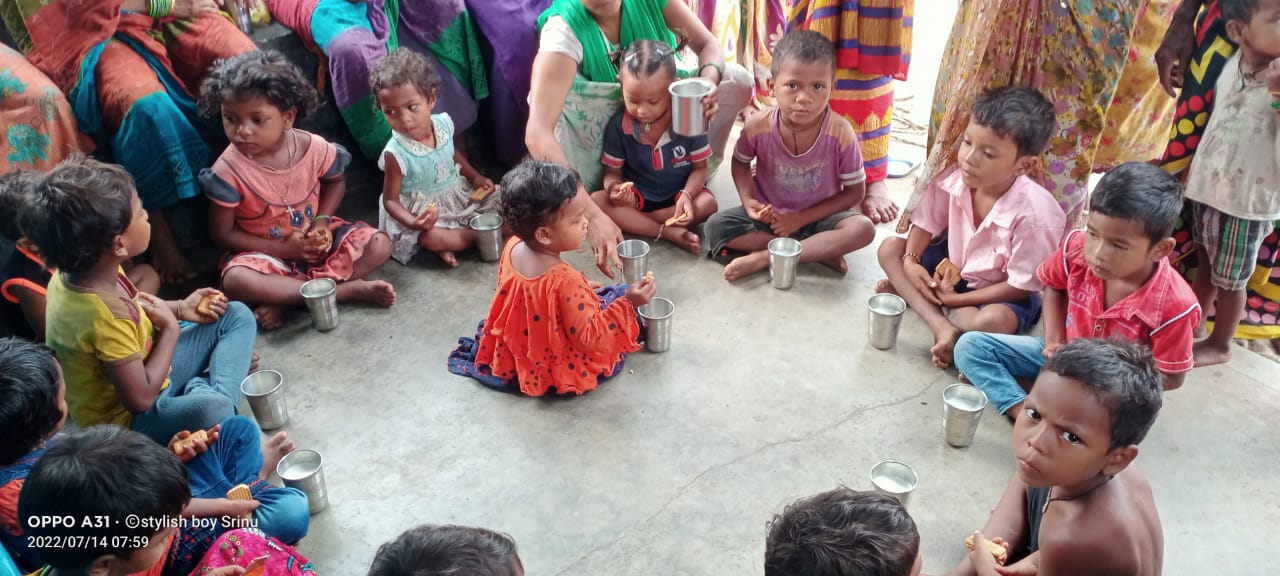
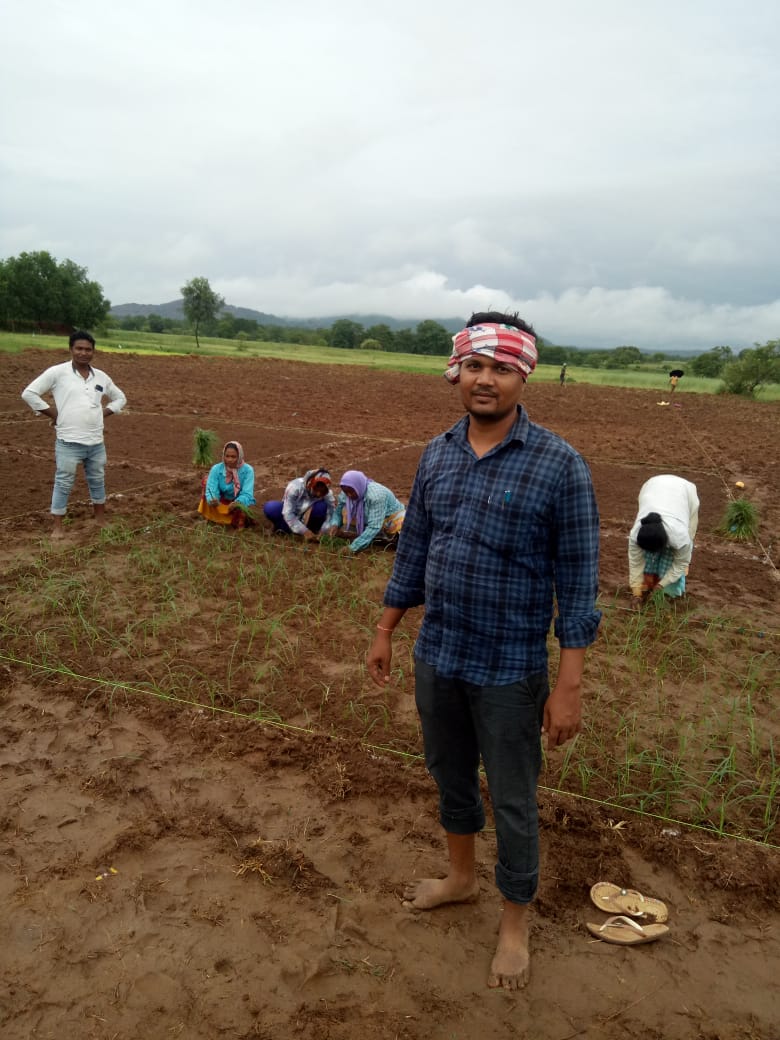
Mayurbhanj District Population: 2,519,738 (2011 Census) Population Density: 242 persons/km² Sex Ratio: 1,006 females per 1,000 males Literacy Rate: 63.17% Scheduled Castes (SC): 184,246 (7.33%) Scheduled Tribes (ST): 1,479,832 (58.72%) Urban Population: 7.66% Rural Population: 92.34% Mayurbhanj has the highest proportion of Scheduled Tribes among the districts, contributing to its rich cultural diversity. The literacy rate is lower than the state average, indicating a need for targeted educational interventions. The district's economy is predominantly agrarian, with rice cultivation being a major activity.Food Insecurity & Malnutrition Mayurbhanj, with its high tribal population, faces severe food insecurity and malnutrition. Over 11,700 children in Odisha suffer from severe malnutrition, with tribal districts like Mayurbhanj being the worst affected. Deccan Chronicle Dropout Rates & Education Educational attainment is low in Mayurbhanj, influenced by factors such as poverty, cultural practices, and inadequate infrastructure. These challenges contribute to higher dropout rates, particularly among girls. Child Marriage Child marriage remains prevalent in Mayurbhanj, influenced by traditional norms and economic factors. This practice adversely affects girls' education and health, perpetuating cycles of poverty and gender inequality. Climate Change Effects Mayurbhanj's agriculture is vulnerable to climate change, with erratic rainfall patterns and droughts affecting crop yields. These climatic shifts threaten food security and livelihoods, particularly for the tribal communities reliant on subsistence farming. Agricultural Production The district's agriculture is primarily rain-fed, with rice, pulses, and oilseeds being staple crops. However, inconsistent rainfall and outdated farming practices hinder optimal production levels. Poverty & Hunger High poverty rates in Mayurbhanj are closely linked to food insecurity and hunger. Limited access to resources and markets exacerbates these issues, leaving many households vulnerable to malnutrition and food shortages.